
A5 Book Grid System for InDesign
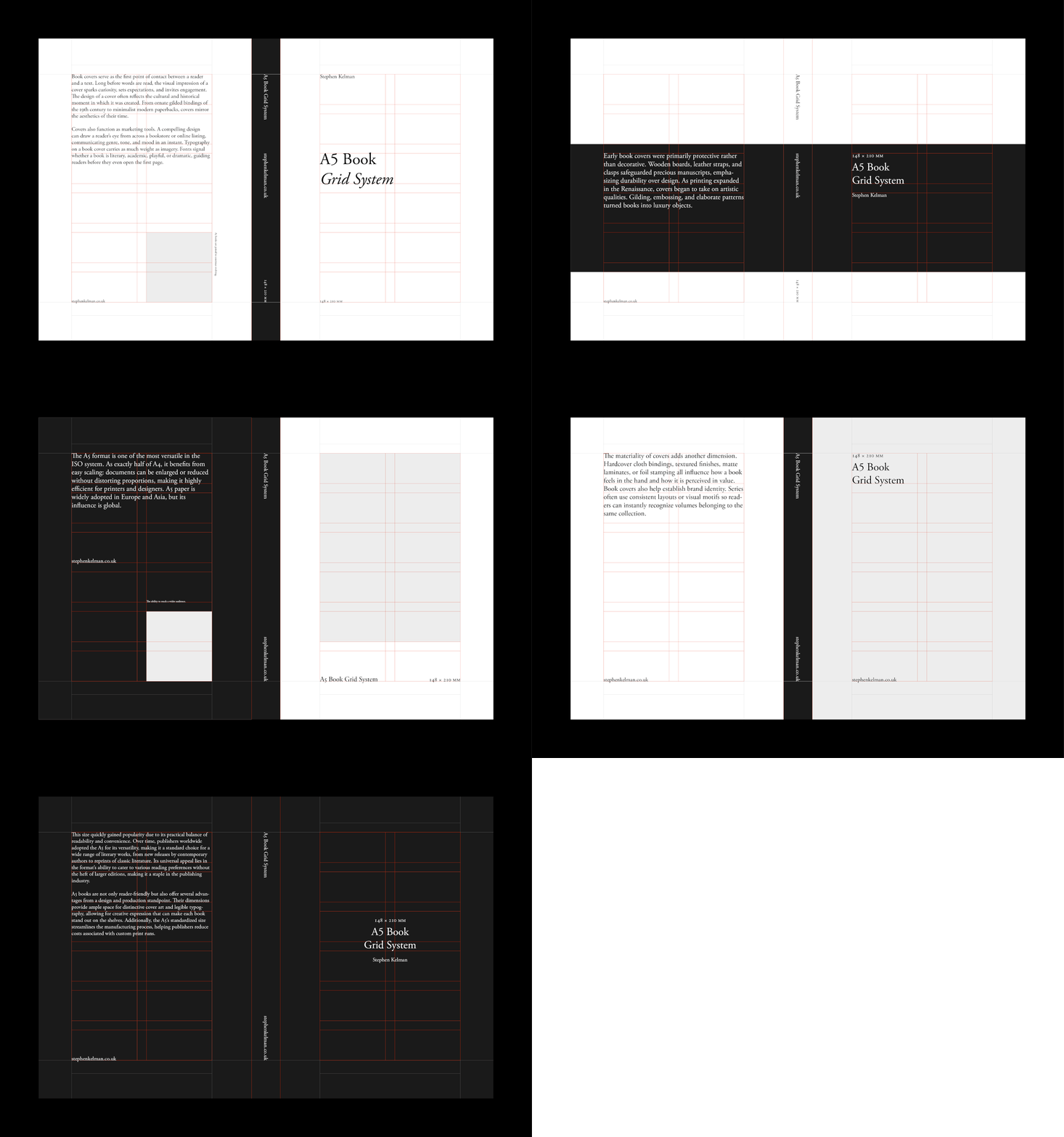
Features
— 12 field modular grid
— Baseline grid
— Comprehensive style sheets
— Quotation styles
— Footnotes styles
— Index styles
— Proportional leading
— Sample layouts
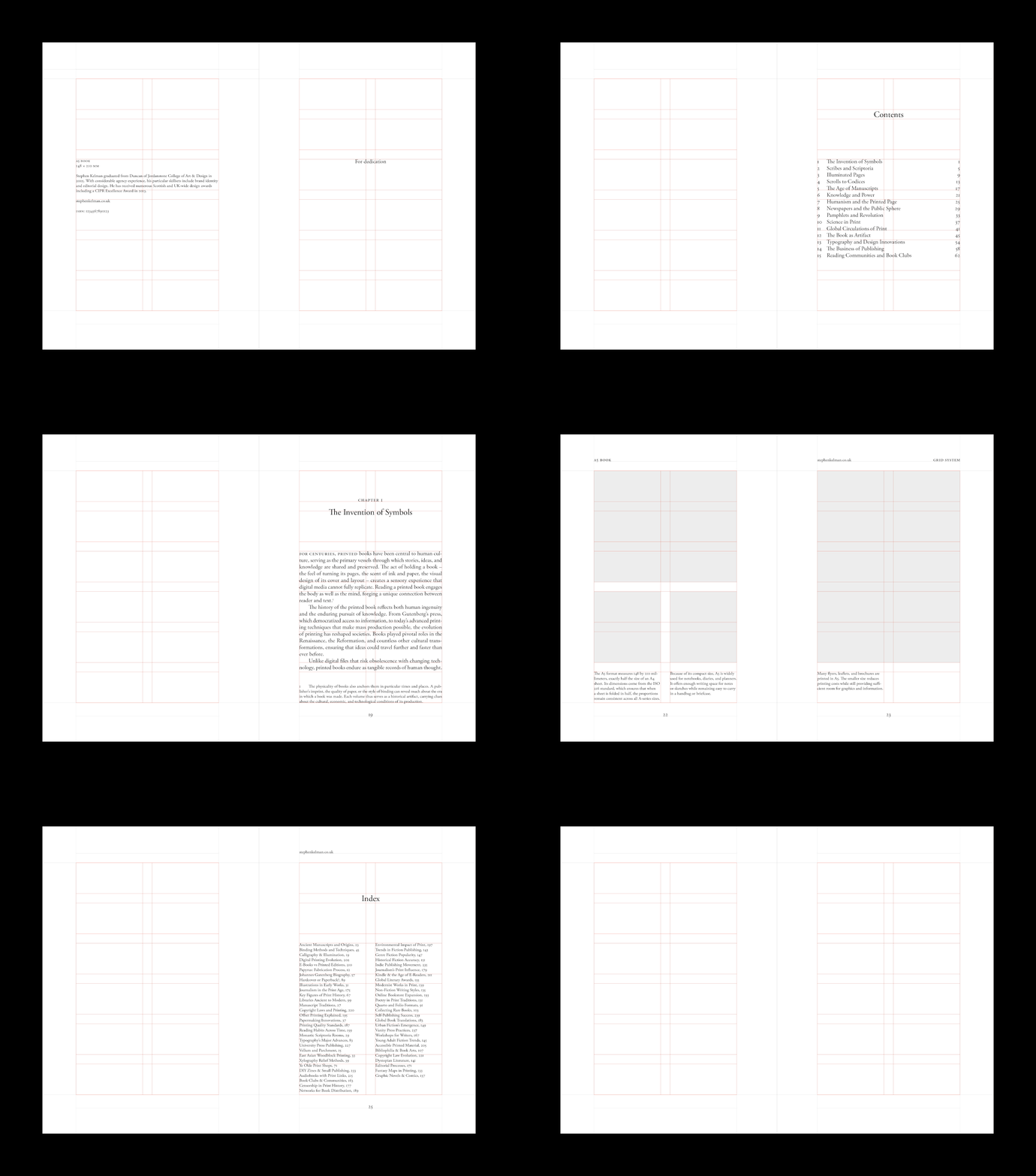


This A5 InDesign grid system is built on the principles of classical typography. It suits fiction, non-fiction, journals, and other long-form print publications. The template includes style sheets and a cover template design with adjustable spine width. It is ideal for authors, publishers, and designers aiming for a refined and professional book layout.


Questions
What is an A5 book grid?
An A5 book grid is simply a layout system designed for books. A5, while not as common as B format, can be a useful format for long-form reading. This grid system has its foundations in classical typography, with a 12-field modular grid and serif style sheets.
What is the A5 format used for?
Fiction, non-fiction, poetry and self-published books – A5 is a familiar book size in the UK and Europe, small enough to hold comfortably and economical to print. It’s also a common choice for zines, catalogues and programme booklets.
What does a book layout need that other documents don’t?
The furniture of long-form reading: running heads, folios, chapter openings, footnotes and quotation settings, all structured around a consistent baseline grid. While reports are viewed page by page, books are read spread by spread, and the grid system reflects that requirement.